No items found.

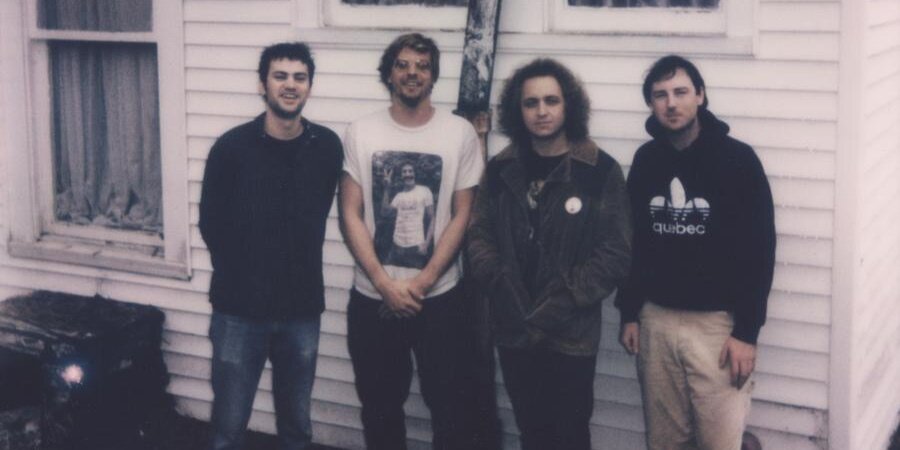

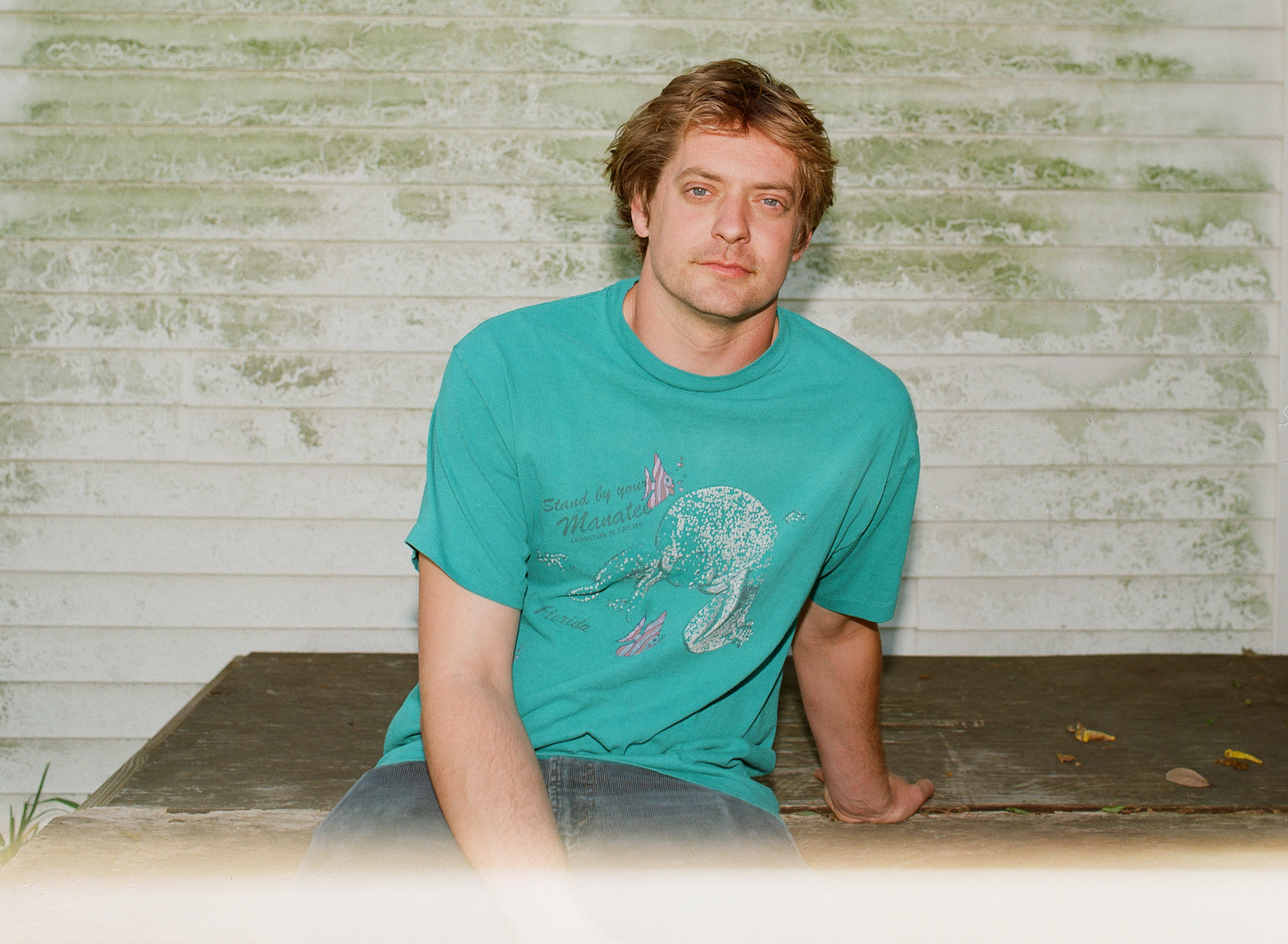
The realest-deal storyteller in indie-rock today is the Tampa-born, New Orleans-based
singer/songwriter Thomas Dollbaum, and Birds of Paradise is his most powerful and dynamic
work yet. Following up his critically acclaimed Wellswood (Big Legal Mess, 2022) and Drive All
Night EP (Dear Life Records, 2025), Birds of Paradise is a goodbye letter to lost loved ones and
former selves. These songs find Dollbaum searching for acceptance in the transient in-between
places: Florida’s pine flatwoods, backroads leading to 1-95, where birds fly across the water.
And even though the ghosts of his alt-county predecessors Townes and Molina are definitely
present, on Birds of Paradise, Dollbaum emerges from their shadows–waving to the past,
sounding all the more like himself.
This moment–this album–is long overdue. Both of Dollbaum’s previous releases had taken way
too long to record, due to circumstances out of his control, leaving him frustrated. And after
having been away from his home for eight years, the place he had left was no longer the place he
remembered, and the unchanging of the natural world felt like a constant he wanted to write
about. With a sense of immediacy, he wrote Birds of Paradise in three months. Called up the
musicians he trusted and admired the most–Nick Corson, Josh Halper, and Jake Lenderman–and
asked them to meet him at Dial Back Sound in Water Valley, Mississippi with producer/engineer
Clay Jones. They learned and tracked the album in four days, capturing lightning in a bottle, a
sonic revelation Dollbaum’s writing has always been waiting for.
“Big Boi” recounts the time high school-aged Thomas got roped into giving a couple (outside the
Waffle House) a ride to pick up drugs at a pill mill. At a time in indie-rock when many
singer-songwriters like to proclaim they’re Southern, Dollbaum knows it’s more complicated
than that. “One day I'll take you down to a place that you can never get out/ Couple splinters in
the wall, nothing to brag about,” he sings steady and direct after realizing the mess he’s in. It
brings to mind the short story “Samaritans” by Larry Brown, where the narrator is tormented for
having a helping heart. Like Brown, Dollbaum miraculously examines entrapment with
generosity.
“Pulverize,” the album’s hardest and darkest rocker, is sorta like another short story, “Time and
Again,” by Breece D’J Pancake. Both song and story are told from the point of view of a man
plowing down the road, picking up strangers, trying to forget real awful things they can’t
mention. Dollbaum was inspired by the time he tried to drive across Louisiana overnight but
then, halfway, decided to turn around. In “Pulverize,” Dollbaum’s narrator is too afraid to look
back. “You should have seen me/ out of Texas in the high moon/ Playing with God riding across
the border cooped up/ in a hoopty to the promised land,” he struts. Lenderman harmonizes with
Dollbaum on the chorus, “Pulverize this heart.” Dollbaum sings the next line alone, slinging his
voice the highest it’ll be the whole album: “I don’t even need it.” And by the end of the song,
he’s screaming with an intensity we’ve never heard before: “It’s fine, it’s fine, it’s FINE.”
But it ain’t just grown men trying to move on in Birds of Paradise. “King’s Landing” playfully
frolics from the point of view of little-kid-Dollbaum growing up near a little private airport. And
he’s got big dreams of flying him and his folks outta there. “I wish I could take us from this
town,” he sings. But knowing this dream is “probably a waste of time,” he suggests going home
and watching “Judge Joe Brown/ And reruns of Cops episodes in our home town.” “I hope we
catch one where the bad guy gets away,” Dollbaum offers some optimism, “Maybe he’ll steal a
small plane/ Fly off to the everglades/ Build us a home out of water and snakes.” When there’s
nothing else, survival and imagination are the same thing.
With the help of Lenderman, Halper, Corson, and Jones, Birds of Paradise is Dollbaum’s
hard-won breakthrough. Alive and echoing like the poems and short stories you can’t shake:
coyotes howl, birds fly south, kids chase rabbits through the sugar cane, and cigarettes are four
dollars a pack. Birds of Paradise reminds us where we come from–the things inside ourselves
we’ve forgotten–we just needed Dollbaum to show us. Here’s how to look back without fear or
shame. Here’s authenticity.
– Ashleigh Bryant Phillips
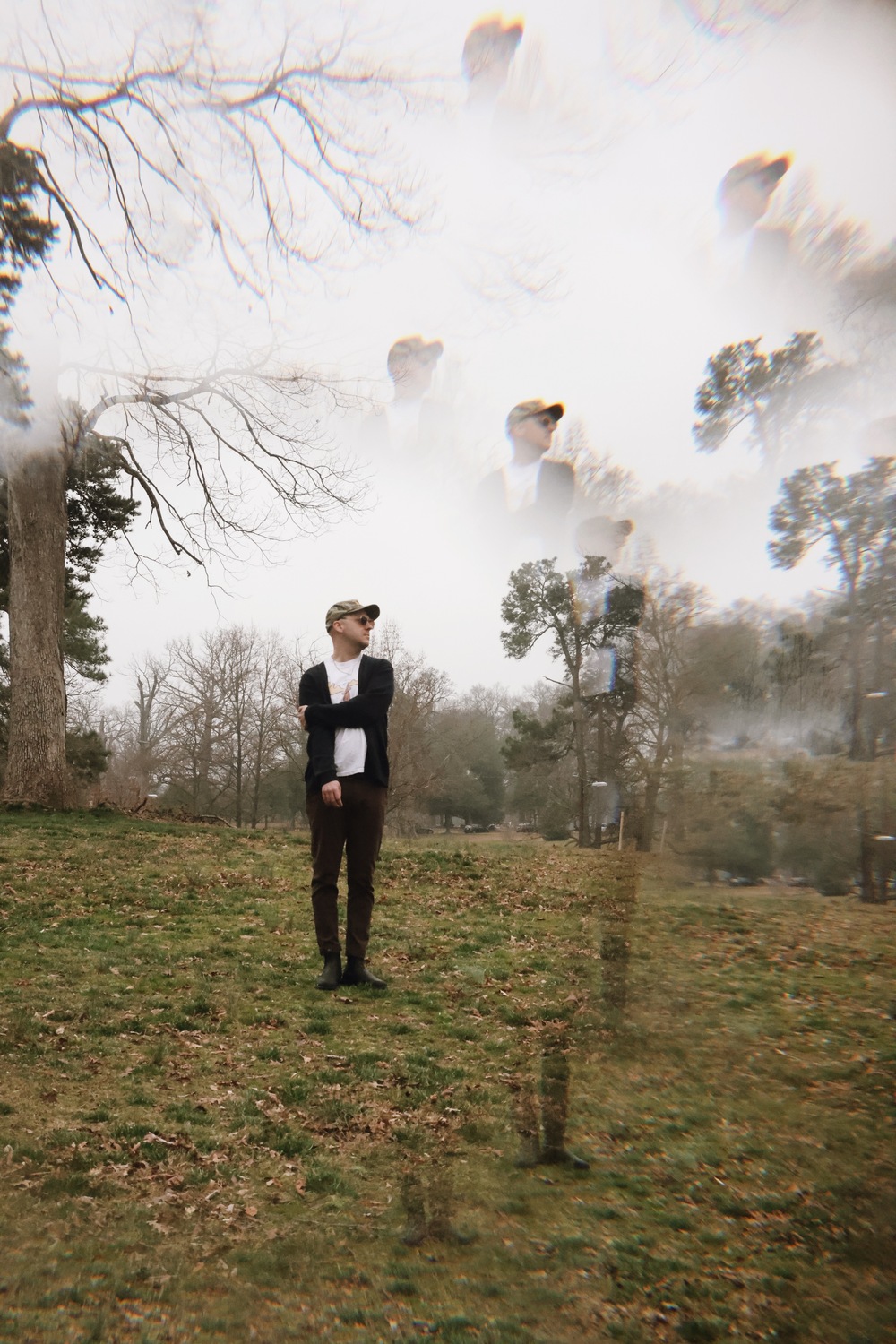
Drug Country is the solo project of John Russell, formerly of Richmond alt rockers Gnawing. Drug Country is a more lofi and reserved place, where Gnawing was a wall of sound of chaos and cacophony. Taking inspiration from both 90's bands that rode the line between outsider music and alt-country; Wilco, Sparklehorse, Vic Chesnutt and Silver Jews as well as 60's country and rock ala Waylon Jennings, Townes van Zandt, Creedence Clearwater Revival and the Stones. Drug Country is like a blended mix of all of Russell's influences filtered through a broken 4 track tape machine. Not really country music, not slowcore, but not rock and roll either. It's just Drug Country...
After a handful of EPs and singles, 2026 finally sees the debut full length, Drug Country's "Country Drugs" is out now via Self Aware Records & Hilltop Recordings.